 +971 52 686 8136 | +971 50 103 0082
 info@zawiah.ae
 Sunday – Friday: 9:00 AM – 6:00 PM (GST)
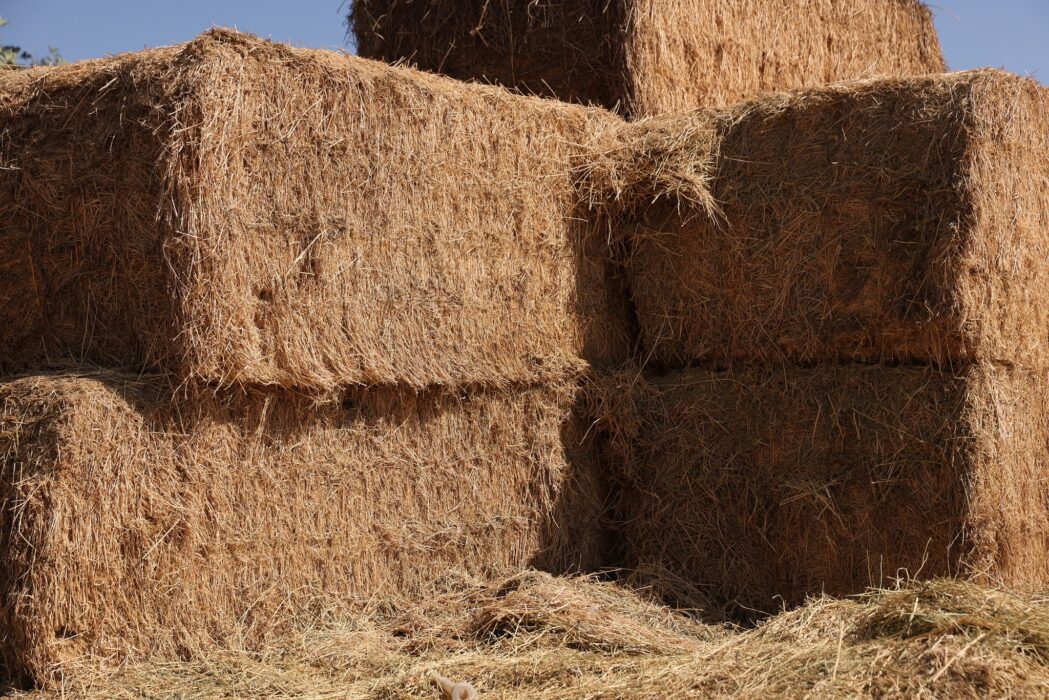
When it comes to livestock health and productivity, the foundation lies in premium animal feed. The science of animal nutrition unveils the critical nutrients that ensure animals not only survive but thrive. Understanding what constitutes high-quality feed for animals is essential for any farmer or livestock owner aiming to boost livestock productivity effectively.
Why Premium Animal Feed Matters
Animals, like humans, require a balanced diet to maintain health and maximize productivity. Poor-quality feed leads to deficiencies that can stunt growth, reduce milk or meat production, and make livestock susceptible to diseases. Investing in quality livestock feed ensures a consistent supply of essential nutrients that promote robust health and enhance overall yield.
Critical Nutrients in High-Quality Feed
To achieve optimal results, animal feed formulation must include the following vital nutrients:
- Proteins
Proteins are the building blocks of growth. They play a crucial role in tissue repair, muscle development, and immune function. Importance of protein in animal feed cannot be overstated, especially for young and lactating animals. - Carbohydrates
Balanced animal feed diets require carbohydrates as they provide the primary energy source for animals. Energy is essential for daily activities, growth, and production. - Fats
Fats supply concentrated energy and support the absorption of fat-soluble vitamins like A, D, E, and K. They also improve the palatability of high-quality feed for animals. - Vitamins and Minerals
Deficiencies in minerals and vitamins for livestock can lead to serious health issues. For instance, calcium and phosphorus are vital for strong bones, while selenium and vitamin E prevent muscle degeneration. - Fiber
Fiber is critical for the proper functioning of the digestive system, especially in ruminants like cows and goats. Adequate fiber ensures healthy digestion and nutrient absorption. - Water
Often overlooked, water is an essential component of livestock health and productivity. It aids in digestion, nutrient transport, and temperature regulation.
Feed Requirements Based on Animal Needs
Different animals and their life stages require tailored feed types to meet specific nutritional challenges:
- Lactating Animals
Lactating animals, such as dairy cows, require high-energy and protein-rich diets to sustain milk production.- Recommended feed: Alfalfa (Egyptian, European), Yellow Corn, Silage
- Animals with Indigestion
For animals experiencing digestive issues, high-fiber, easily digestible feed helps restore gut health.- Recommended feed: Timothy, Oat Straw, Wheat Straw
- Growing Livestock
Young animals need a diet rich in proteins and minerals to support rapid growth and development.- Recommended feed: Rhodes Grass, Alfalfa (Sudanese), Pellets (Capsules)
- Maintenance Diets for Adult Animals
Adult animals not in production or growth phases require maintenance diets with balanced energy and fiber.- Recommended feed: Chickpea Straw, Mustard Straw, Rye Grass
- High-Performance Livestock
Animals used for work or performance need energy-dense feed with added vitamins and minerals.- Recommended feed: Sudanese Corn, Alfalfa (South African), Silage
Differentiating Feed by Animal Type
The nutritional needs of animals vary significantly by species. Here is a breakdown of common livestock and their specific feed requirements:
- Cattle (Dairy and Beef)
- Dairy cattle require high-protein and calcium-rich diets to sustain milk production.
- Beef cattle need energy-dense feed to support weight gain and muscle development.
- Suitable feed: Alfalfa, Silage, Yellow Corn
- Sheep and Goats
- These animals thrive on high-fiber diets that support digestion and wool or milk production.
- Suitable feed: Rhodes Grass, Oat Straw, Pellets
- Horses
- Horses require a mix of energy-rich and fiber-rich feed to maintain stamina and digestive health.
- Suitable feed: Timothy, Alfalfa (European), Rye Grass
- Poultry
- Poultry diets should focus on energy, protein, and calcium for egg production and healthy growth.
- Suitable feed: Sudanese Corn, Yellow Corn, Pellets
- Camels
- Camels require high-fiber and mineral-rich diets to sustain their endurance and productivity.
- Suitable feed: Wheat Straw, Chickpea Straw, Mustard Straw
- Small Pets (e.g., Rabbits)
- These animals need high-fiber, low-calorie diets to support healthy digestion.
- Suitable feed: Alfalfa (Sudanese), Timothy
The Impact of Quality Feed on Livestock Productivity
- Enhanced Growth
A nutrient-rich diet ensures optimal growth rates in livestock. This is particularly important for animals raised for meat production. - Improved Reproductive Health
Science-backed animal feeding practices that include balanced nutrition result in better reproductive performance, such as higher conception rates and healthier offspring. - Increased Milk Yield
For dairy animals, a high-quality feed for animals directly correlates with milk production. Proper protein and energy levels are critical to sustaining high milk yield. - Disease Resistance
Nutritional deficiencies weaken the immune system, making animals prone to illnesses. Essential nutrients for livestock enhance immunity, reducing veterinary costs.
Science-Backed Feed Formulation
The science of animal feed formulation combines decades of research to create diets tailored to specific livestock needs. Using cutting-edge technology, experts ensure that every bite of feed contributes to the animal’s well-being and productivity.
Choosing the Right Feed
Selecting premium animal feed is an investment in your livestock’s future. Look for feed that contains the right balance of nutrients, is free from harmful contaminants, and is suited to the species and stage of life of your animals.
In the world of animal nutrition science, understanding the role of critical nutrients in quality livestock feed is key to achieving success. By providing your animals with high-quality feed for animals, you’re not just enhancing their livestock health and productivity but also ensuring a sustainable and profitable farming operation. Prioritize their nutrition, and your livestock will reward you with better yields and overall performance.